
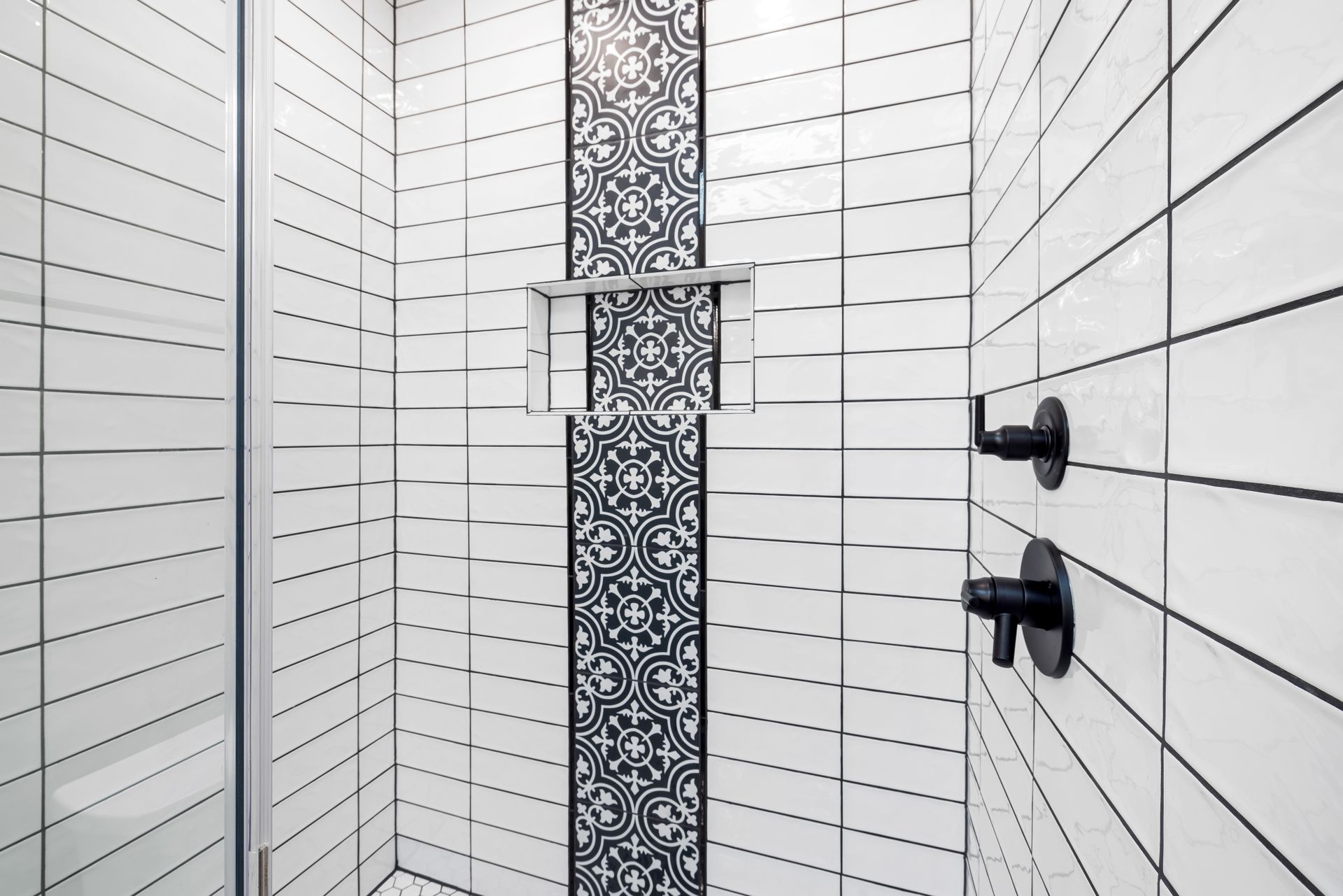
A shower takes more punishment than any other tiled area in the home. Hot water, steam, cleaning products and daily foot traffic all work on the tiles and grout, and sooner or later something gives. When it does, most people assume the answer is a full retile. In reality, shower tile repair usually comes down to one of three options: regrout, reglue or retile. Picking the right one can save you thousands of dollars and weeks without a working bathroom.
The Short Version
If only the grout is tired or stained, regrouting is enough. If tiles sound hollow, move underfoot or the grout keeps cracking in the same place, the tiles have lost their bond and need to be reglued, which our Tile Reglue Injection Method does without removing them. A full retile is only needed when tiles are broken through, the substrate has failed or you want a new look.
Why shower tiles fail in the first place
Most shower tile problems start behind the surface. Tiles that were laid with patchy adhesive coverage, or spot bonded to the wall, have voids behind them. Every time hot water heats the tiles and they cool again, those voids allow a little movement. Over months and years that movement cracks the grout, lets water in and gradually breaks down whatever adhesive was holding the tile in place. You can read more about this process in our article on how moisture causes tiles to lift.
The early signs are easy to miss. You might notice a hollow sound when you tap a wall tile, a hairline crack running along a grout line, or a tile that sits slightly proud of its neighbours. Our guide to hollow-sounding tiles explains how to tell whether that sound is a genuine problem or just background noise.
Option 1: Regrouting your shower
Regrouting means raking out the old grout and replacing it with fresh grout and silicone. It is the right call when the tiles themselves are firmly bonded and the only issue is grout that has become stained, mouldy, powdery or worn. It freshens the look of the shower and restores a decent seal on the surface.
The catch is that regrouting does nothing for a tile that has come loose. If the tile is moving, new grout will crack along the same lines within weeks or months, because the cause of the cracking is still there. That is why so many people find themselves regrouting the same shower again and again.
Regrout, reglue or retile?
Grout is stained, mouldy or crumbling, but tiles are solid when tapped
→ Regrout
A cosmetic refresh that restores the surface seal. No need to touch the tiles.
Tiles sound hollow, rock slightly or grout keeps cracking in the same spot
→ Reglue with TRIM
Adhesive is injected behind the tiles to rebond them in place, with no demolition.
Tiles are broken through, the wall is rotten or you want a new design
→ Retile
A full strip and replace. Bigger budget, longer timeframe, but sometimes the only option.
Option 2: Regluing loose shower tiles in place
When tiles have lost their bond, the fix is to get adhesive back behind them. With TRIM, our operators drill small access points through the grout joints and inject Injectabond, a pressure injection adhesive, into the voids behind each affected tile. The adhesive fills the gaps and bonds the tile firmly back to the wall or floor. Once it has cured, the grout lines are made good and the shower is ready to use again.
Because nothing is removed, there is no demolition dust, no rubble and no need to rebuild the waterproofing underneath. For spot bonded wall tiles in particular, we use a technique called cavity bridging injection that fills the gaps between the original adhesive dabs. You can see the full process on our solutions and services page.
Option 3: When a full retile makes sense
There are times when retiling is the honest answer. If tiles are cracked right through, the substrate behind them has rotted or the waterproof membrane has clearly failed and water is escaping, injecting adhesive will not solve the underlying problem. A retile also makes sense if you were planning a bathroom renovation anyway. Our article on tile repair versus tile replacement walks through the cost and disruption of each in more detail, and our wet area tiles guide covers what is involved in getting a wet area right.
For most loose or drummy shower tiles, though, repair comes in at around one third of the cost of a retile, and the shower is usually back in action within a day rather than a couple of weeks.
How to tell which one your shower needs
Start with a simple tap test. Gently knock each tile with the handle of a screwdriver and listen. A solid tile gives a dull, firm sound, while a debonded tile sounds hollow or papery. Note where the hollow tiles are and whether the grout around them is cracked. If the problem is spread across a large area, an inspection with thermal imaging can map exactly where the voids are without lifting a single tile.
If you are unsure, it pays to get a professional opinion before booking a regrout. Plenty of homeowners have spent money on fresh grout only to find the cracks return because the tiles underneath were never secure. Take a look at the residential and commercial projects we have completed, or read what past customers say on our testimonials page.
What a professional shower tile repair involves
A professional shower tile repair is quicker and tidier than most people expect. In most cases, the work follows the same simple pattern, so you know exactly what to expect on the day.
- Assessment: we tap test every tile and mark the hollow areas.
- Access: small holes are drilled through the grout joints, not the tiles.
- Injection: adhesive is pumped into the voids until they are filled.
- Finish: the grout and silicone are made good, and the shower is cleaned down.
Because the waterproofing behind the tiles is left alone, shower tile repair also avoids the biggest risk of a retile. For background on how wet areas should be built, the Australian Building Codes Board publishes the National Construction Code, and our wet area tiles guide explains it in plain English.
Get your shower assessed
TRIM operators cover Brisbane and the Sunshine Coast, the Gold Coast and Northern Rivers, Sydney, Melbourne, Townsville, Mackay, Tasmania and other areas across Australia. If your shower tiles are cracking, sounding hollow or moving underfoot, get in touch with our team for a quote. Why remove and replace? Inject and save.
Need a shower tile repair?
Tell us what is happening with your shower and we will let you know whether it needs a regrout, a reglue or something more.
Request a quoteFrequently asked questions
Q.Can loose shower tiles be fixed without removing them?
Yes. Loose and drummy shower tiles can usually be rebonded in place by injecting adhesive through the grout joints into the voids behind them. There is no demolition and the waterproofing underneath is left undisturbed.
Q.Will regrouting fix loose shower tiles?
No. Regrouting only replaces the grout between tiles. If the tiles themselves have lost their bond, the new grout will crack again because the tiles keep moving.
Q.How long does shower tile repair take?
Most TRIM shower repairs are completed in a single visit, and the shower can usually be used again within a day.
Q.When should I retile my shower instead of repairing it?
Retiling is the better option when tiles are broken through, the substrate behind them has failed, or there is clear evidence the waterproof membrane is leaking.
Q.How much does shower tile repair cost?
It depends on how many tiles are loose and how big they are. As a guide, a TRIM shower tile repair typically costs around one third of a full retile, and we always provide a quote before starting.