
What Are Peaked and Tented Tiles?
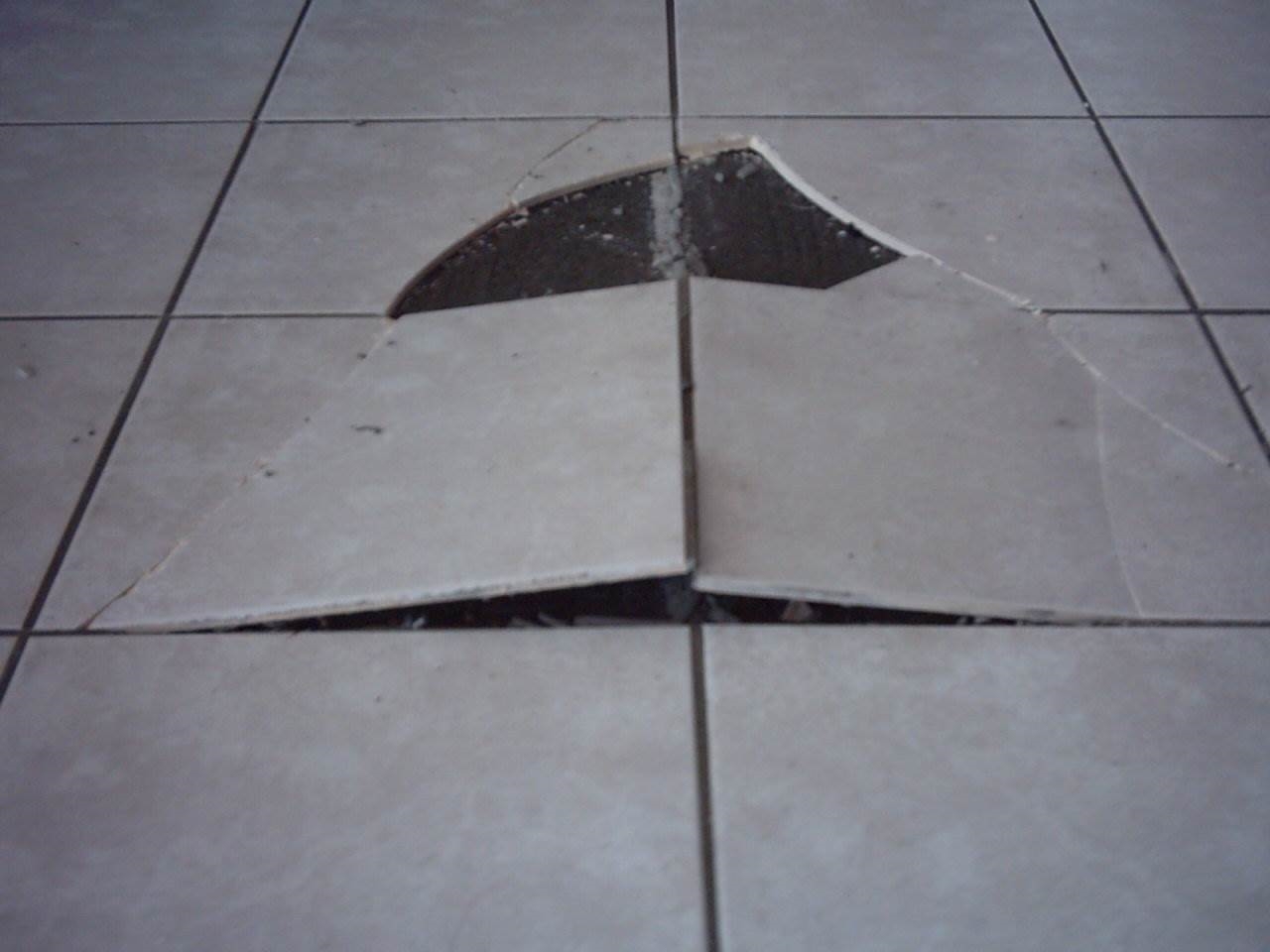
Tented tiles push up against each other until they form a ridge or a tent shape. You may also hear them called peaked, pyramiding or popped tiles. Sometimes the first sign is a loud crack in the middle of the night, especially in summer.
This happens when pressure builds up across a tiled floor. Small building movements then add up over time. Then, once the tiles have nowhere else to go, they push upwards. As a result, tented tiles are not just ugly. Shattered tiles are also a real safety hazard, and broken tiles may be impossible to replace.
- Tiles rising into a ridge or bump, especially near doors
- A sudden cracking sound when the temperature changes
- Cracked tiles, especially along a straight line
- Drummy or hollow tiles nearby too
- Gaps opening at skirting boards when the floor moves
What Causes Tented Tiles?
Tiles tent when pressure has nowhere to go, and a few of these causes usually combine.
Missing movement joints
Large tiled areas need room to move, so without enough movement joints the pressure builds until the tiles lift.
Heat and sunlight
Tiles expand in the heat, especially near glass doors and outdoors. Then, on a hot day, the floor runs out of room. Read our summer heat tips too.
Building movement
Slabs settle and shrink when a house ages, while the tiles on top stay the same size. So the tiles get squeezed.
Weak adhesive bond
Drummy tiles are already loose, so they are the first to lift when pressure builds across the floor.
Tight tiling
Tiles laid hard against walls or with very thin joints have no room to expand, so they often tent first.
Moisture changes
Wet and dry cycles make some materials swell and shrink, so they add even more stress to the floor.
How We Repair Tented Tiles
Our method deals with the cause as well as the damage, so the repair lasts.
Make it safe
Firstly, we check the whole tiled area for pressure and loose tiles. Then we work out how far the problem reaches.
Release and relay
Secondly, we cut and release the pressure around the tented tiles. We then carefully relay them flat.
Inject and stabilise
Finally, we inject the loose tiles nearby with Injectabond. This also stabilises the floor and protects it from further movement.
Repairing Tented Tiles vs Replacing the Floor
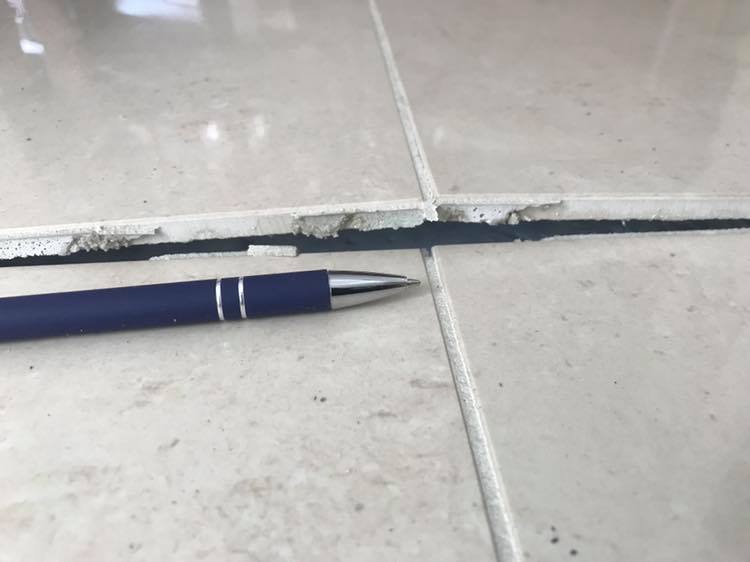
When tiles tent, many people assume the whole floor has to go. However, that is rarely true. Replacement is costly, and it also does nothing about the pressure that caused the problem.
Instead, we release the pressure, relay the tiles and re-bond the area around them. When a tile is broken and no match exists, we can fit a feature tile that you choose. So you save the rest of the floor from costly replacement. We can also fix peaked wall tiles.
- Costs far less than full tile replacement
- Surrounding tiles stabilised so they move less
- Clean and fast, because there is no demolition
- Tested to Australian Standards, so you can trust the result
You can also read our tile tenting guide or find out how to fix raised tiles.
Why Homeowners Choose TRIM

Value for Time and Money

Australia-Wide Services
30+ Years of Experience
Guaranteed Repairs
Other Tile Repair Services
Tented tiles often come with loose or drummy tiles nearby, so these related services may also help.
 LOOSE FLOOR TILE REPAIRSFloor tiles that creak or rock, re-bonded so you can walk on them again soon after.Learn more →
 LOOSE WALL TILE REPAIRSShower and bathroom wall tiles fixed in place, so screens and vanities can stay where they are.Learn more →
 DRUMMY TILE REPAIRSDrummy tiles injected and bonded back down before they crack or lift.Learn more →
 HOLLOW TILE REPAIRSFind out what a hollow sound means, then see how we fix it without lifting a tile.Learn more →
Peaked and Tented Tiles FAQs
Get in touch with our team today!
Why remove and replace? Inject and save!
T.R.I.M. services are available throughout Australia by fully licensed and insured contractors.